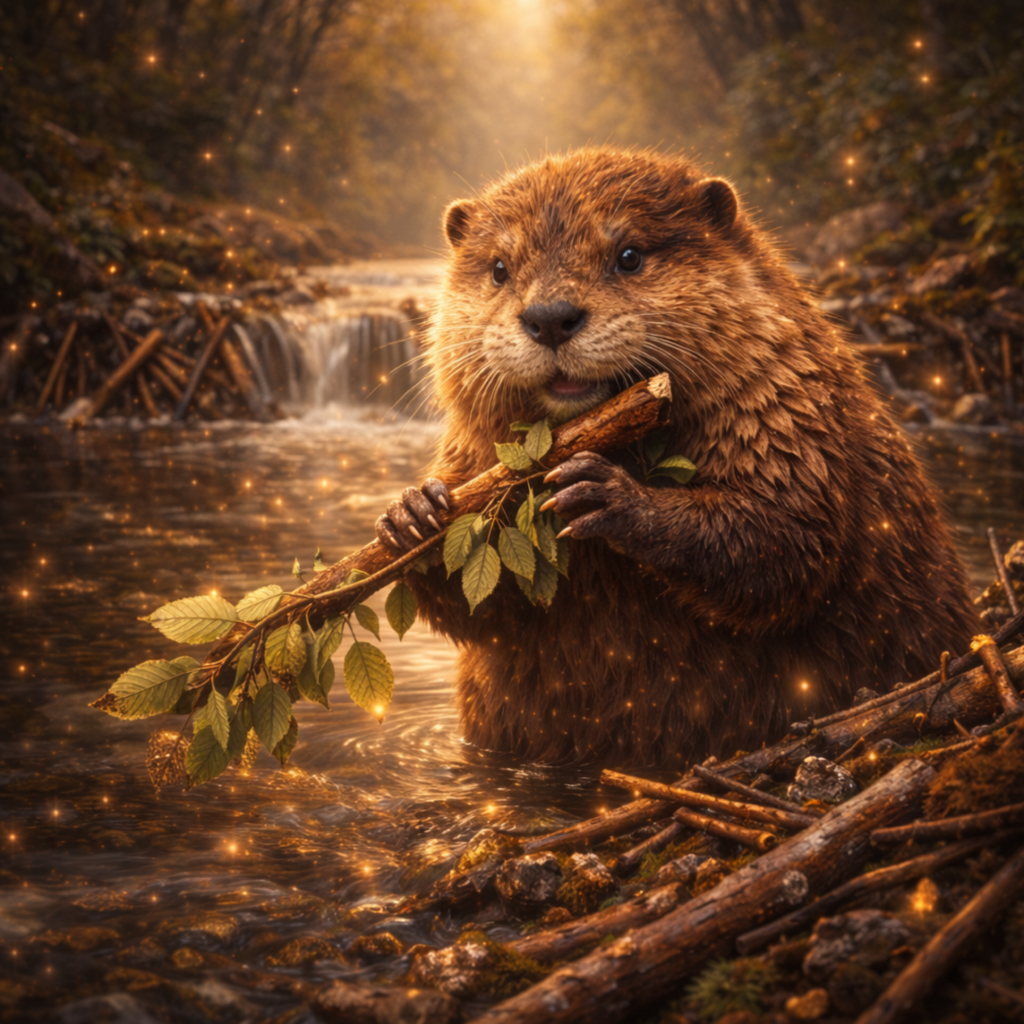
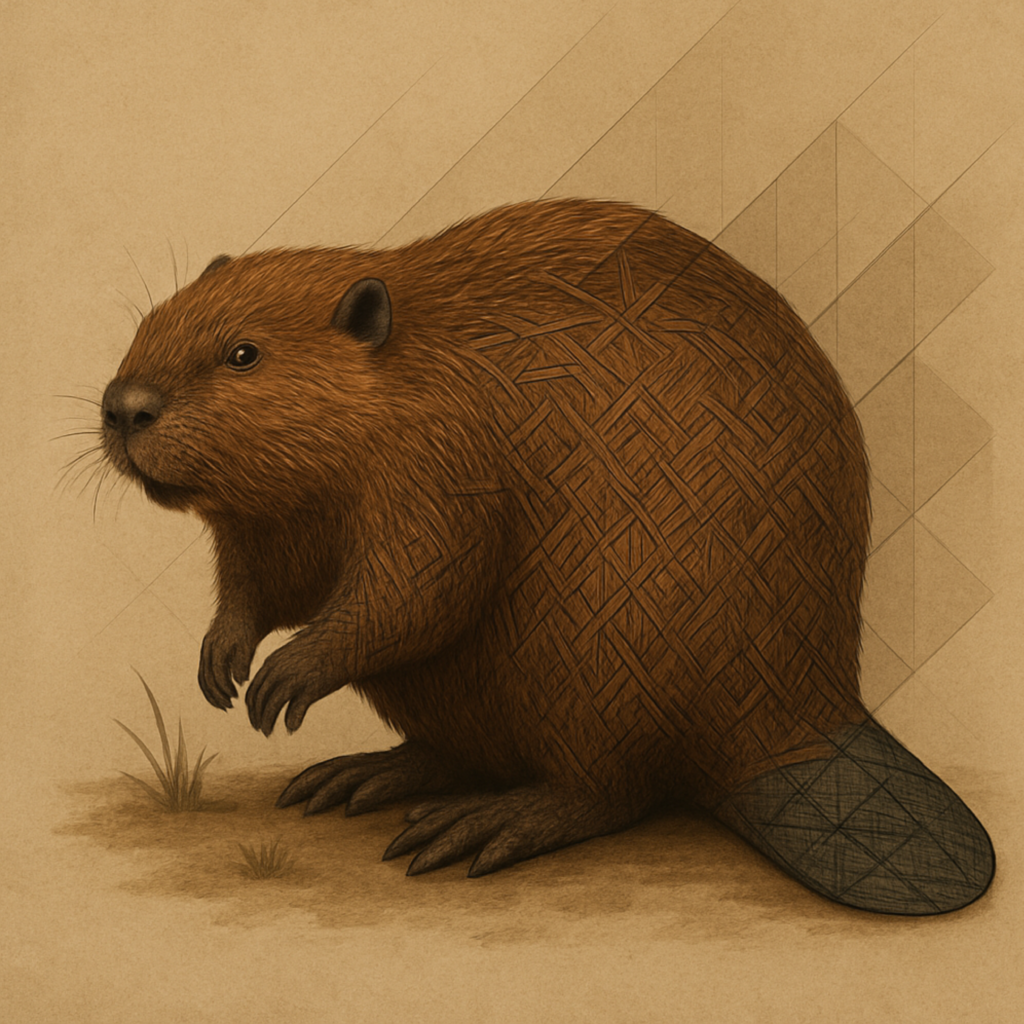
For centuries, UK beavers were a familiar sight across Britain’s rivers, wetlands, and streams. These remarkable animals played a vital role in shaping the landscape, creating habitats that benefited countless other species. However, by the 16th century, beavers had disappeared from the UK, hunted to extinction for their fur, meat, and scent glands.
Today, after more than 400 years, beavers are making a remarkable comeback—and their return could help restore some of Britain’s most important ecosystems.
Nature’s Original Engineers
Beavers are often called “ecosystem engineers”, and for good reason. Unlike most animals, they actively change their environment by building dams, digging canals, and creating ponds.
At first glance, a beaver dam may seem like a simple pile of branches and mud. In reality, it is the foundation of an entire ecosystem.
When beavers build a dam, water slows and spreads out, creating ponds and wetlands. These wetlands become homes for fish, amphibians, insects, birds, and mammals. What begins as a few branches across a stream can eventually support hundreds of different species.
More Than Just a Pond
The impact of beavers extends far beyond the water itself.
Their dams help to:
- Create wetlands that support wildlife.
- Improve water quality by trapping sediment.
- Reduce soil erosion along riverbanks.
- Increase biodiversity.
- Store water during dry periods.
- Slow the flow of water during heavy rainfall.
In an age where flooding and drought are becoming increasingly common, these natural benefits are attracting significant attention from conservationists and land managers alike.
Helping to Reduce Flooding
One of the most exciting benefits of beaver activity is its potential role in natural flood management.
When heavy rain falls, rivers can quickly become overwhelmed, leading to flooding downstream. Beaver dams act like natural speed bumps, slowing the movement of water through a landscape.
Instead of rushing downstream all at once, water is temporarily stored in ponds and wetlands, reducing flood peaks and helping rivers cope with extreme weather events.
Several studies have shown that beaver-created wetlands can significantly reduce the speed and volume of floodwaters, providing benefits not only for wildlife but also for nearby communities.
A Boost for Wildlife
The return of beavers creates opportunities for countless other species.
Wetlands formed by beaver activity provide ideal conditions for:
- Dragonflies and damselflies.
- Frogs, toads, and newts.
- Water voles.
- Fish species.
- Wading birds.
- Bats.
- Otters.
Many of these species have experienced declines in recent decades due to habitat loss. Beaver-created wetlands help restore the rich variety of habitats that wildlife depends upon.
This is a perfect example of how one species can influence an entire ecosystem. By simply behaving naturally, beavers create conditions that benefit hundreds of other plants and animals.
Challenges and Concerns
While the return of beavers brings many benefits, it is not without challenges.
Some landowners worry that dams may flood farmland or affect drainage systems. In certain locations, beaver activity can require careful management to balance conservation goals with the needs of local communities.
Fortunately, a range of management techniques now exist to address these issues while allowing beavers to remain part of the landscape.
As with many conservation projects, success depends on finding ways for both people and wildlife to thrive together.
A Symbol of Nature’s Recovery
The story of Britain’s beavers is about more than the return of a single species. It demonstrates how nature can recover when given the opportunity.
For hundreds of years, Britain’s rivers and wetlands functioned without one of their most important architects. Today, beavers are helping to restore some of the natural processes that were lost long ago.
Their return reminds us that every species plays a role in the wider web of life. Sometimes, the impact of a single animal can ripple through an entire ecosystem, creating benefits that extend far beyond what we might expect.
Conclusion
Beavers may not be as famous as wolves or as majestic as eagles, but their influence on the natural world is extraordinary. By building dams and creating wetlands, they improve habitats, support biodiversity, reduce flooding, and help landscapes become more resilient.
As beavers continue their return to Britain’s waterways, they offer a powerful example of how wildlife and people can both benefit when nature is allowed to do what it does best.
If you love wildlife and the fascinating stories behind nature’s most remarkable species, explore the GeoWild Designs collection featuring wildlife-inspired wall art, clothing, gifts, and more. Every design celebrates the beauty and importance of the natural world.