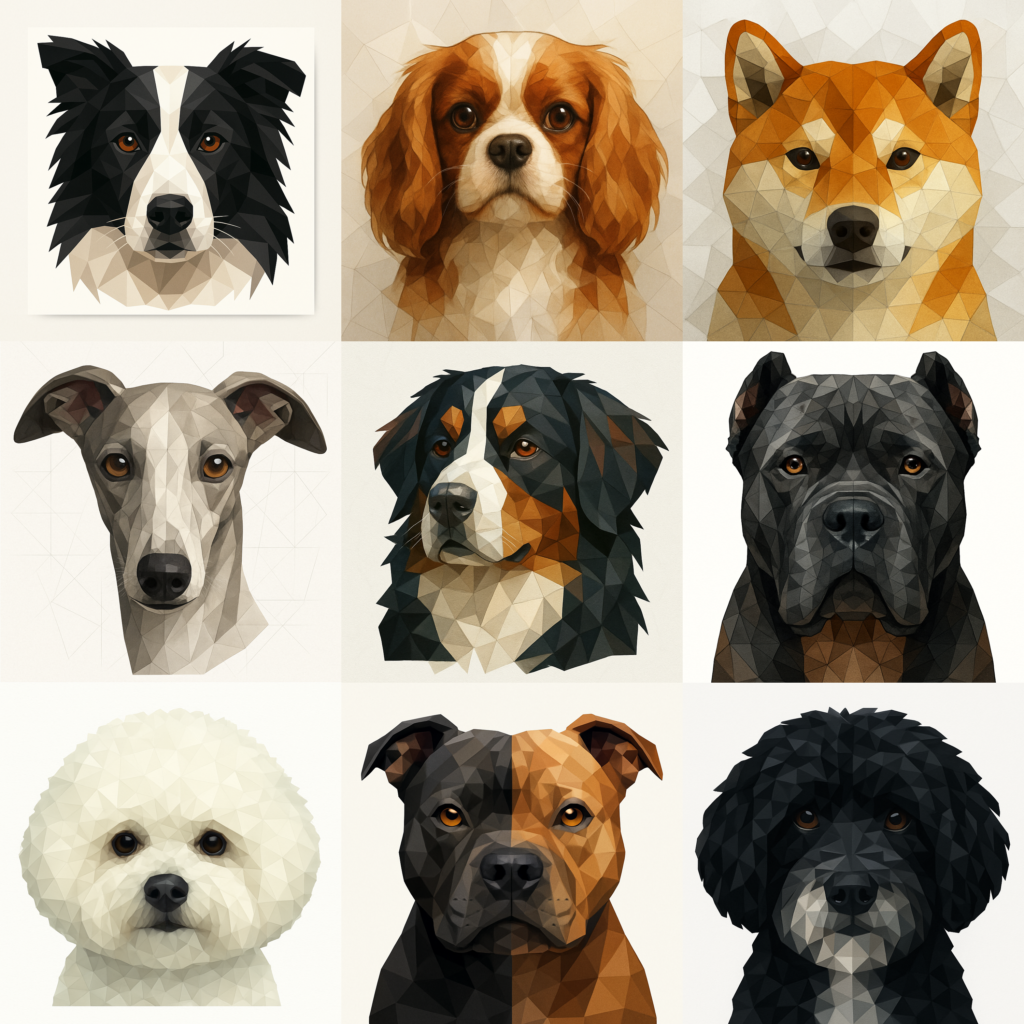
Why do dogs tilt their heads? It’s a question that has fascinated dog owners for generations. Have you ever spoken to your dog only to be met with that irresistible head tilt? It’s one of the most endearing behaviours our canine companions display, but is it simply a cute habit, or is something more fascinating happening behind those curious eyes?
For years, dog owners have wondered why dogs tilt their heads. The answer isn’t as simple as many people think. Scientists believe this charming behaviour may reveal how dogs listen, learn and even communicate with us.
Are dogs really trying to understand us?
One of the strongest theories is that dogs tilt their heads because they are concentrating.
When you speak to your dog, they don’t just hear sounds—they also pay close attention to your facial expressions, body language and tone of voice. Tilting their head may help them process this information more effectively.
Many dogs seem especially likely to tilt their heads when they hear familiar words such as “walk,” “dinner,” “ball,” or their favourite person’s name.
Rather than being confused, they may actually be trying their hardest to understand exactly what you’re saying.
Could their ears be helping?
Dogs hear very differently from humans.
They can detect much higher frequencies and can pinpoint where sounds are coming from with remarkable accuracy.
Tilting the head may slightly alter how sound reaches each ear, helping them locate unusual noises or distinguish one sound from another.
This is particularly useful in nature, where accurately locating prey—or avoiding danger—could make all the difference.
Do their noses get in the way?
Another fascinating theory has nothing to do with hearing at all.
Dogs have long muzzles that can partially block their forward view. By tilting the head, they may improve their line of sight to your face, making it easier to read your expressions and lip movements.
Researchers have suggested that breeds with longer noses may tilt their heads more frequently than flatter-faced breeds, although this is still being studied.
Some dogs tilt their heads more than others
Not every dog does it.
Some seem to tilt their heads every time you speak, while others rarely do it at all.
This could be influenced by:
- Breed
- Personality
- Training
- Individual learning experiences
- How attentive they are to human communication
Just like people, every dog has its own unique way of interacting with the world.
Can dogs learn that we love it?
Absolutely.
Dogs are incredibly observant.
When your dog tilts its head, what do most owners do?
They smile.
They laugh.
They reach for their phone to take a photograph.
They praise the dog or give it attention.
Over time, many dogs may learn that head tilting earns a positive reaction, making them more likely to repeat the behaviour.
This doesn’t mean they’re “pretending”—it simply shows how skilled dogs are at reading human behaviour.
When should you be concerned?
Occasional head tilting is perfectly normal.
However, a persistent head tilt—especially if it appears suddenly or is accompanied by loss of balance, unusual eye movements or difficulty walking—can indicate an ear infection, vestibular disease or another medical problem.
If you notice these signs, it’s important to seek advice from a veterinarian as soon as possible.
A behaviour shaped by thousands of years together
Whether dogs tilt their heads to hear better, see our faces more clearly or understand what we’re saying, one thing is certain: it highlights the extraordinary relationship between humans and dogs.
After thousands of years living alongside us, dogs have become remarkably skilled at interpreting our voices, expressions and emotions.
That little head tilt is more than just adorable—it’s a reminder of one of the closest partnerships in the natural world.
Final Thoughts
The next time your dog tilts its head while you’re talking, there’s a good chance it’s paying close attention rather than simply looking cute.
It may be listening carefully, watching your face, recognising familiar words or waiting for the magic phrase that usually leads to a walk, a game or dinner.
Whatever the reason, it’s another example of how deeply connected dogs have become to the people they share their lives with.
If you’re interested in the shared history of dogs and wolves, you might also enjoy our article “How Much Wolf Is Still Inside Your Dog?”