When people think of incredible wildlife, their minds often wander to the African savannah, the Amazon rainforest or the Arctic tundra. Yet right here in Britain, we are surrounded by an astonishing variety of wildlife that is often overlooked.
From majestic red deer roaming ancient forests to tiny harvest mice weaving nests among long grasses, the UK is home to hundreds of fascinating species, each playing an important role in keeping our natural world healthy.
Whether you’re walking through a woodland, exploring a coastline or simply watching your garden, there’s always something waiting to be discovered.
Red Fox – Britain’s Master Survivor
The red fox is one of Britain’s most recognisable mammals. Equally at home in the countryside and our towns and cities, foxes are intelligent, adaptable and incredibly resourceful.
Despite often being seen as common, watching a fox hunting quietly across a field at dawn or dusk remains one of Britain’s most magical wildlife encounters.
Best places to spot them:
- Parks and gardens at dusk
- Woodland edges
- Open farmland
- Quiet suburban streets at night
⸻
Badgers – The Secretive Night Wanderers
Badgers spend much of their lives underground in extensive tunnel systems called setts. These social animals live in family groups and emerge after sunset to forage for worms, insects and berries.
Because they are mainly nocturnal, catching sight of one is always a memorable experience.
Best places to spot them:
- Ancient woodlands
- Woodland clearings
- Nature reserves
- Quiet country lanes (with caution when driving)
⸻
Red Deer – Giants of the Highlands
As Britain’s largest land mammal, the red deer is an unforgettable sight. During autumn, males compete during the famous rut, filling the air with deep roaring calls as they battle for mates.
Seeing a stag silhouetted against the morning mist is one of Britain’s greatest wildlife spectacles.
Best places to spot them:
- Scottish Highlands
- Exmoor
- The New Forest
- Richmond Park
⸻
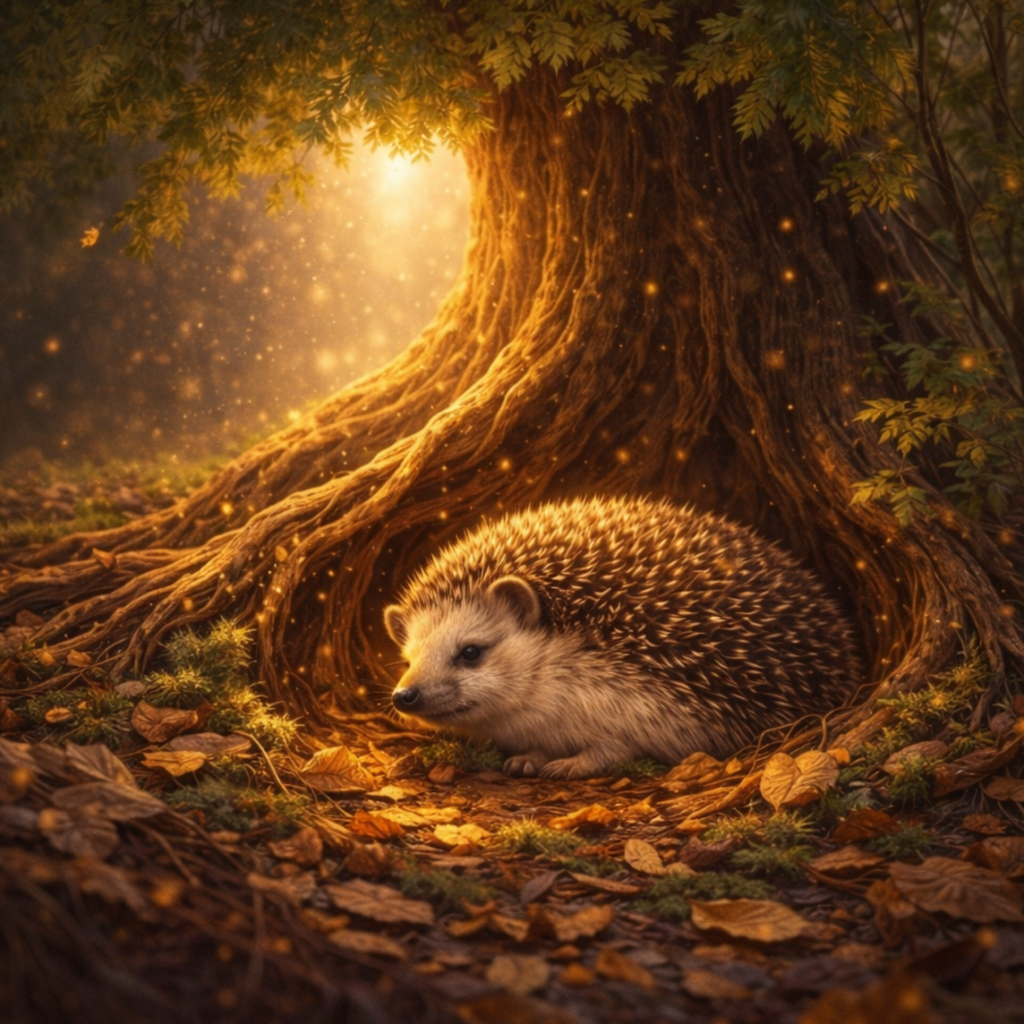
European Hedgehog – Our Beloved Garden Visitor
Sadly, hedgehog numbers have declined significantly over recent decades, making every sighting even more special.
These charming little mammals spend their evenings searching for beetles, worms and slugs while helping keep our gardens healthy.
You can help hedgehogs by leaving small gaps in fences, avoiding pesticides and providing wild corners where they can shelter.
⸻
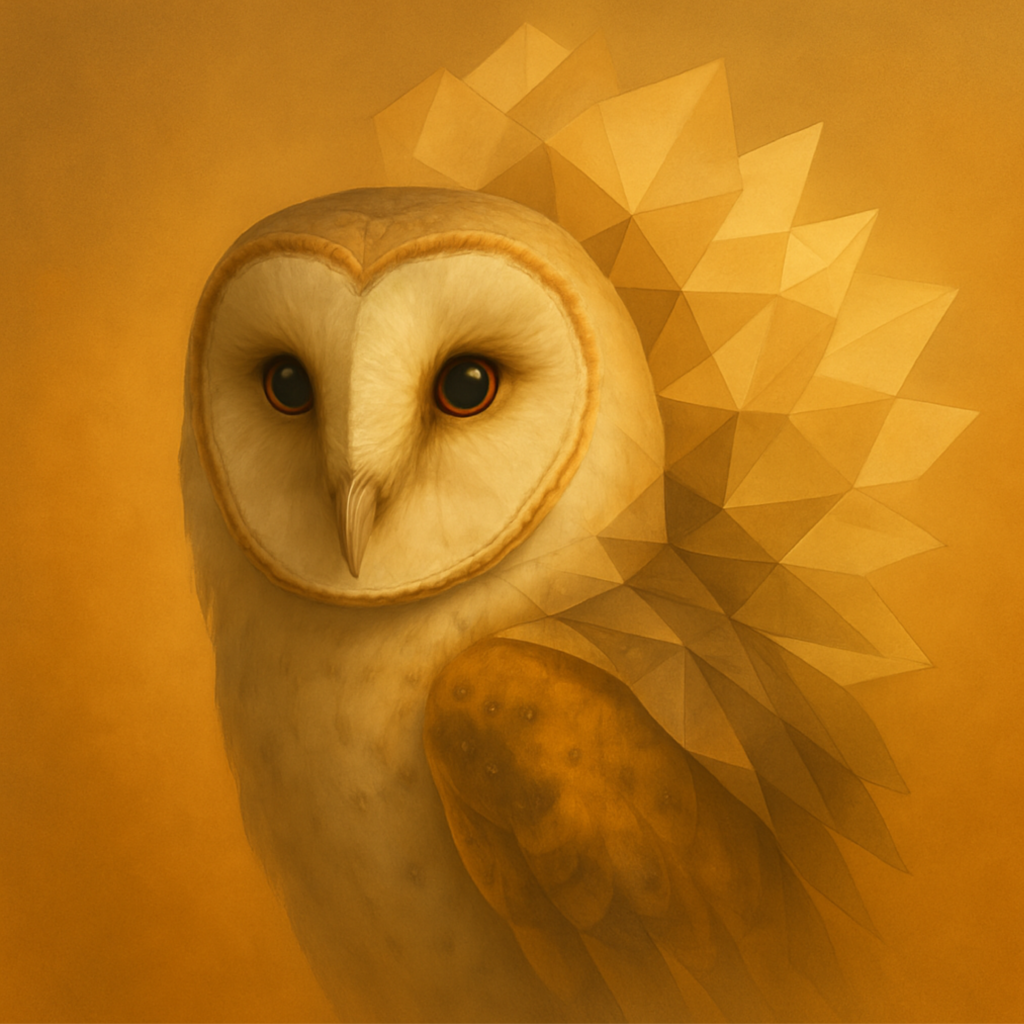
Barn Owl – The Silent Hunter
Few sights are as breathtaking as a barn owl gliding silently across a meadow at sunset.
Their heart-shaped faces aren’t just beautiful—they help funnel sound towards exceptionally sensitive ears, allowing them to locate prey even beneath long grass.
Barn owls rely on healthy grasslands and farmland, making habitat conservation vital for their future.
⸻
Kingfisher – Britain’s Flying Jewel
Although only around the size of a sparrow, the kingfisher is impossible to forget once you’ve seen one.
Its brilliant blue and orange feathers flash like a gemstone as it darts low over rivers before diving head-first to catch small fish.
Patience is often rewarded when quietly watching rivers, canals and lakes.
⸻
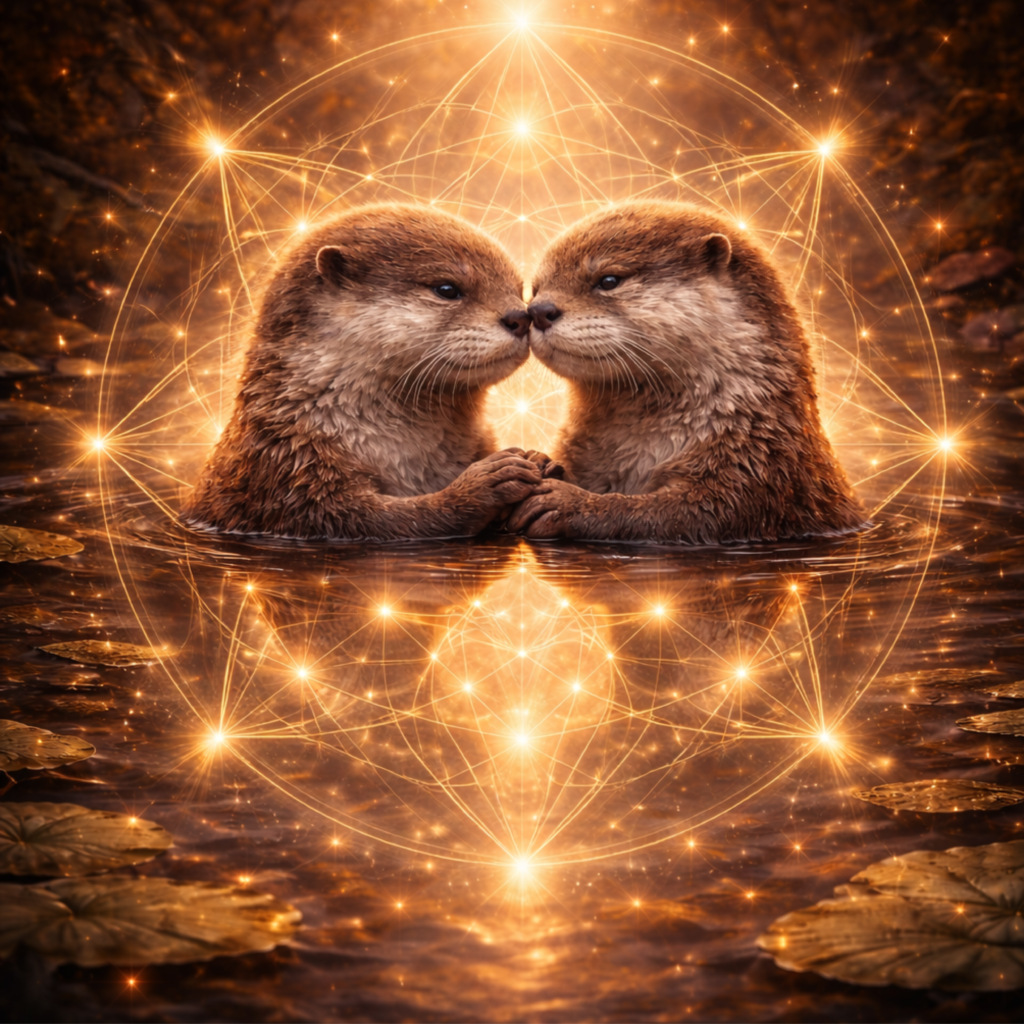
Otters – A Remarkable Comeback
Once rare across much of Britain, otters have made an encouraging recovery thanks to cleaner rivers and legal protection.
These playful mammals are excellent swimmers and spend much of their time hunting fish, frogs and crustaceans.
Spotting an otter in the wild is considered one of Britain’s greatest wildlife experiences.
⸻
Red Squirrels – A Precious Native
Britain’s native red squirrel now survives mainly in Scotland, Northumberland and a handful of protected areas.
Competition from introduced grey squirrels has dramatically reduced their numbers, making conservation efforts especially important.
If you’re fortunate enough to see one, take a moment to appreciate just how special the encounter is.
⸻
Butterflies and Bees – Small Creatures, Huge Importance
Some of Britain’s smallest animals are also among its most important.
Bees pollinate many of the flowers and crops we depend upon, while butterflies are valuable indicators of the health of our environment.
Leaving wildflowers to grow, planting nectar-rich plants and reducing pesticide use can all make a huge difference.
⸻
Seals Along Our Coast
Grey seals and common seals can be found around much of Britain’s coastline.
Watching seal pups resting on quiet beaches or adults bobbing curiously offshore reminds us that incredible wildlife isn’t limited to remote countries—it exists right on our doorstep.
Always admire seals from a respectful distance to avoid disturbing them.
⸻
Every Species Matters
One of the wonderful things about British wildlife is that every species has a role to play.
The humble earthworm improves our soil. Bees pollinate flowers. Owls keep rodent numbers in balance. Foxes and badgers help shape ecosystems in ways we often don’t notice.
Even creatures that many people overlook—snails, beetles, fungi and mosses—are essential pieces of nature’s intricate puzzle.
Protecting wildlife isn’t just about saving the rarest animals; it’s about preserving the connections that allow nature to thrive.
The next time you head outdoors, slow down for a moment. Listen to the birdsong, look beneath the hedgerows and watch the trees. You may be surprised by just how much wildlife surrounds you.
At GeoWild Designs, our love of wildlife inspires every piece of artwork we create. Through our designs and growing collection of blog articles, we hope to celebrate the remarkable animals that share our world and encourage others to appreciate and protect them.
What’s the most memorable piece of British wildlife you’ve ever seen? We’d love to hear your story in the comments!
What would happen if some of these species began to disappear? Discover the hidden chain reaction in What If British Wildlife Started Disappearing?