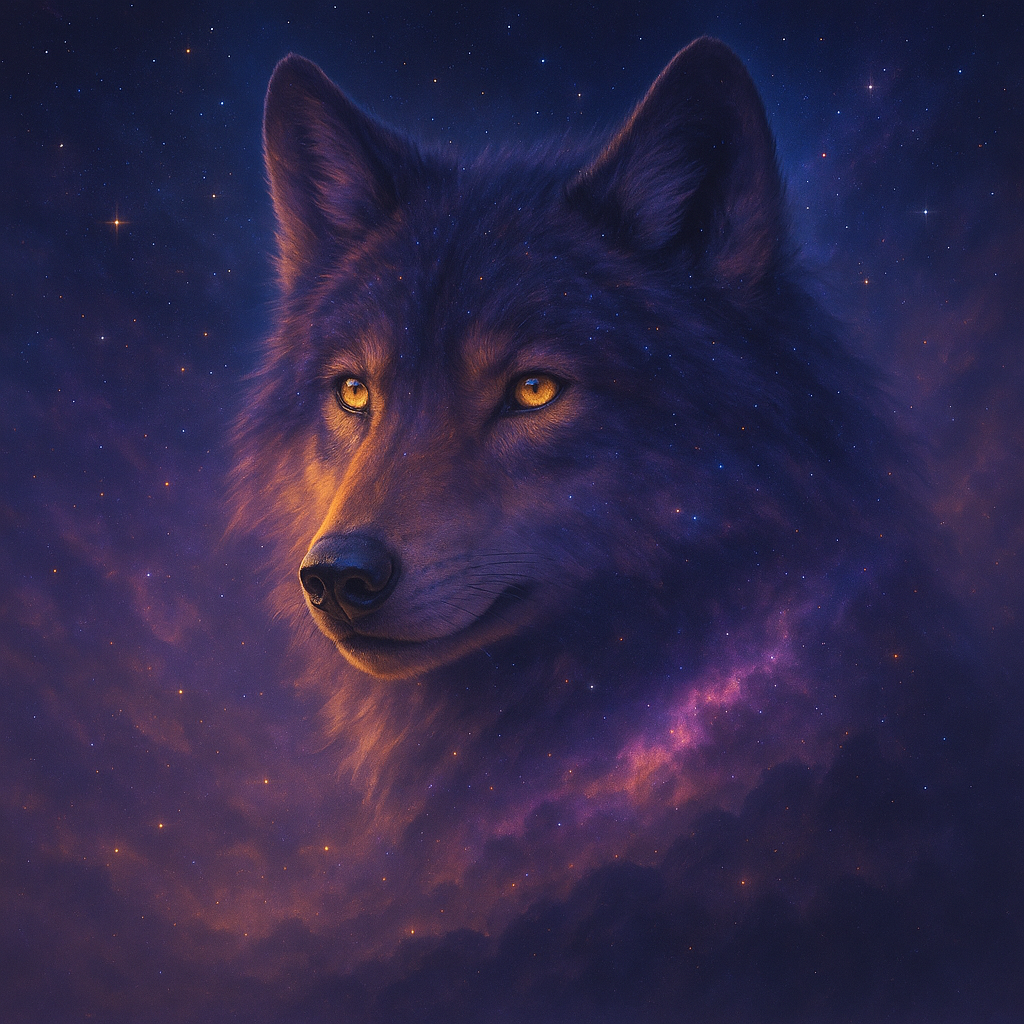
When most people think of wolves, they often imagine a fierce predator roaming the wilderness. However, wolves play a far more important role in nature than many realise. One of the most remarkable examples of this can be seen in Yellowstone National Park, where the return of wolves helped transform an entire ecosystem.
The Disappearance of Yellowstone’s Wolves
Wolves once thrived throughout Yellowstone National Park in the United States. However, by the 1920s, they had been hunted to extinction within the park. At the time, many people believed that removing predators would benefit other wildlife, particularly elk populations.
Initially, this seemed to be the case. Without wolves, elk numbers increased dramatically. But over time, the absence of a top predator began to create unexpected problems.
An Ecosystem Out of Balance
With no wolves to keep their numbers in check, elk spent much of their time grazing in river valleys and open areas. They heavily browsed young willow, aspen, and cottonwood trees, preventing many plants from regenerating.
As vegetation declined, other species were affected too:
- Songbird populations decreased due to a lack of nesting habitat.
- Beavers lost the trees they relied upon for food and dam building.
- Riverbanks became less stable and more prone to erosion.
- Biodiversity throughout the park began to suffer.
Yellowstone had lost an important piece of its natural balance.
The Return of the Wolves
In 1995, wildlife managers reintroduced wolves to Yellowstone. The goal was not simply to bring back a missing species but to restore a natural ecological process.
The results were extraordinary.
Wolves began hunting elk, helping to reduce their numbers. Just as importantly, elk changed their behaviour. Rather than lingering for long periods in vulnerable river valleys, they became more cautious and moved around more frequently.
This allowed vegetation to recover in many areas.
A Ripple Effect Across the Landscape
As trees and shrubs returned, a chain reaction spread throughout the ecosystem.
More Trees and Plants
Willows, aspens, and cottonwoods began to grow once again. These plants provided food and shelter for a wide range of wildlife.
The Return of Beavers
With more trees available, beaver populations increased. Their dams created ponds and wetlands that benefited fish, amphibians, insects, birds, and mammals.
More Wildlife
As habitats improved, species such as songbirds, foxes, otters, and waterfowl found more opportunities to thrive.
Healthier Rivers
The recovering vegetation helped stabilise riverbanks, reducing erosion and improving water quality. In some areas, river channels even became more stable.
What Is a Trophic Cascade?
Scientists use the term trophic cascade to describe what happened in Yellowstone.
A trophic cascade occurs when changes at the top of the food chain create effects that spread through multiple levels of an ecosystem.
In Yellowstone, the return of wolves influenced elk behaviour and numbers, which allowed vegetation to recover. This, in turn, benefited countless other species and habitats.
It is one of the most famous examples of how predators help maintain ecological balance.
Why Wolves Matter
The story of Yellowstone reminds us that predators are not simply hunters. They are often key players in keeping ecosystems healthy and diverse.
Wolves help shape the landscapes they inhabit, supporting a wide variety of plants and animals. Their presence contributes to the complex web of life that makes wild places so special.
A Symbol of Conservation Success
The reintroduction of Yellowstone wolves remains one of the most celebrated conservation successes in modern history. It demonstrates the importance of protecting wildlife and understanding the role every species plays in nature.
For wildlife enthusiasts, wolves are more than powerful and intelligent animals—they are a reminder that nature works best when ecosystems remain complete.
At GeoWild Designs, wolves are one of our favourite subjects to celebrate through wildlife-inspired artwork. Their story is a powerful example of the beauty, resilience, and interconnectedness of the natural world.